

Labs Tell a Story — But Only If You Know How to Read the Pattern
Labs Tell a Story — But Only If You Know How to Read the Pattern Many women come to health conversations carrying the same confusion:
I’ve lost count of how many times I’ve heard this:
“My thyroid labs came back normal, but I still feel awful.”
And every time, I have to take a deep breath, smile, and say the quiet part out loud:
“Normal doesn’t always mean optimal.”
If your thyroid labs look “fine” on paper but your body’s screaming otherwise—exhaustion, brain fog, weight gain, anxiety, feeling cold all the time—you’re not imagining it. You might just be living in the space between normal and functioning at your best.
Let’s talk about what that really means—and why finding your optimal range might be the missing piece in your thyroid story.
Most lab ranges are built using the average results of the general population—not the healthiest or most symptom-free people, just people. And that population includes many individuals with mild thyroid dysfunction, autoimmune disease, or chronic stress.
So when your provider says, “You’re in range,” what they really mean is “You fall within a statistical average.”
That’s fine for keeping you out of danger. But it’s not the same as feeling well.
I like to think of it like this:
“Being in the ‘normal range’ is like passing a class with a D+. You’re technically not failing, but you’re not thriving either.”
In functional medicine and integrative health, we look beyond “acceptable” numbers and focus on what’s optimal—the range where your metabolism, energy, and mood all work in sync.
Here’s a simplified look at what “normal” vs. “optimal” thyroid function often looks like on paper:
| Marker | Typical Lab Range | Optimal Range (Functional) | Why It Matters |
|---|---|---|---|
| TSH (Thyroid Stimulating Hormone) | 0.45–4.5 mIU/L | 1.0–2.0 mIU/L | A high TSH means your brain’s yelling at your thyroid to work harder. Even 3.0 can feel sluggish for some. |
| Free T4 (Thyroxine) | 0.8–1.8 ng/dL | 1.1–1.4 ng/dL | Shows how much hormone your thyroid is making. If it’s low-normal, you might still feel slow and cold. |
| Free T3 (Triiodothyronine) | 2.3–4.2 pg/mL | 3.2–3.8 pg/mL | Reflects your active thyroid hormone—what actually powers your cells. Low-normal can mean fatigue, brain fog, and slow metabolism. |
| Reverse T3 | 9.0–24.0 ng/dL | 10–16 ng/dL | Elevated when you’re under chronic stress or inflammation; it blocks Free T3 from working properly. |
| TPO/Tg Antibodies | <35 IU/mL | Ideally undetectable | High antibodies can signal early autoimmune activity, even before your thyroid function changes. |
⚠️ Note: Ranges vary slightly by lab and individual context. Always review your results with a qualified provider.
When your thyroid hormones are “in range” but not optimal, your body feels it long before your labs show it.
Your metabolism slows down. Your digestion drags. Your hair thins, your mood dips, and your energy tanks halfway through the day.
And maybe the most frustrating part? You can be doing everything right—eating clean, exercising, managing stress—and still feel like you’re fighting an invisible current.
That’s because your thyroid sets the pace for everything from your heart rate and body temperature to hormone balance and brain chemistry.
Even small shifts in thyroid output or conversion can ripple through your entire system.
The goal isn’t to chase numbers—it’s to get your body working with you again.
If you’ve been hovering in that gray zone, these are often the missing pieces I see:
Chronic stress — Cortisol interferes with T4-to-T3 conversion.
Nutrient gaps — Low selenium, zinc, iron, or vitamin D = low conversion and sluggish thyroid.
Poor liver or gut function — That’s where most of your T4 turns into active T3.
Blood sugar swings — Insulin resistance blunts thyroid function.
Hormonal shifts — Estrogen, progesterone, and cortisol all influence thyroid-binding proteins and availability.
“Your thyroid doesn’t live in isolation—it lives in conversation with your stress, your sleep, your food, and your hormones.”
You don’t need a new diagnosis—you need a deeper conversation with your data.
Here’s how to start:
📋 Ask for a full thyroid panel: TSH, Free T4, Free T3, Reverse T3, and antibodies (TPO, Tg).
📊 Track your trends: Don’t rely on one snapshot. Compare how you feel with how your numbers move.
🧘♀️ Lower your stress load: Rest, regulate, and give your body time to recover.
🥦 Eat for conversion: Include selenium (eggs, Brazil nuts), zinc (seafood, pumpkin seeds), and protein at every meal.
💤 Support sleep: Deep, consistent sleep helps your thyroid “reset.”
Healing doesn’t happen through control—it happens through consistency.

Join me on my journey to a healthier lifestyle


Ready to get the full picture of your thyroid?
These labs make it simple to track your TSH, T4, T3, and antibody patterns accurately:

Comprehensive Thyroid Panel including TSH, Free T4, Free T3, and antibodies.

At-home Thyroid Test Kit — great for tracking trends between visits.

Functional thyroid panels that include Reverse T3 and Total T3/T4 for a deeper look at conversion.
Affiliate Disclaimer: Some of the links above are affiliate links, meaning I may earn a small commission if you purchase through them—at no extra cost to you. I only share lab options I genuinely trust and would recommend to my own patients, friends, and family.
You deserve more than “you’re fine.”
You deserve to understand what your body’s telling you and how to help it thrive.
✨ Download the Sustainable Habits Guide for daily habits that support thyroid and hormone balance.
✨ Grab the Inner Critic Playbook to lower stress—the #1 thyroid saboteur.
✨ Book a free 60-minute consultation — we’ll review your labs together, find your optimal zone, and rebuild your energy from the inside out.
American Thyroid Association. Understanding Your Thyroid Test Results.
NIH. Thyroid Hormone Reference Intervals and Clinical Correlation.
PubMed. Symptom Resolution and Functional Thyroid Ranges: Clinical Review.
Labs Tell a Story — But Only If You Know How to Read the Pattern Many women come to health conversations carrying the same confusion:

Burnout Isn’t Just Stress: What Labs Reveal About Adaptation vs. Collapse You don’t fall apart. You keep going. You show up.You handle the

Low Energy Isn’t Just Iron: The Fatigue Pattern Most Labs Miss You’re tired — but not in a way that sleep fixes. You wake
If you’re tired of the endless cycle of dieting and conflicting health advice, feeling overwhelmed and longing to truly understand how to nourish your body and feel good in your own skin like I did, you’re in the right place. Through my blog, I share insights on weight loss, mindset, neuroplasticity, nutrition, and self-care to empower you on your wellness journey. Whether you’re seeking personalized guidance to address specific health challenges or you’re ready to break free from restrictive diets and embrace body acceptance while achieving sustainable weight loss, I offer coaching programs designed to help you cultivate lasting health and body confidence. Ready to explore a different path?
One-on-one sessions tailored to your health history, goals, and lifestyle—rooted in nursing expertise and current wellness science.
Guided coaching to help reframe limiting beliefs around food, body image, and health—so you stop sabotaging your progress.
Practical tools, customized strategies, and compassionate support to help you take consistent, manageable steps forward.
“Working with Rebecca completely shifted my mindset.”
I had tried everything—diets, workout programs, you name it—but nothing ever stuck. Rebecca showed me how to reframe my beliefs about food and my body. I’m losing weight without trying to lose weight!

“I finally feel in control of my health for the first time in years.”
Rebecca didn’t just focus on my symptoms—she really listened to my story and helped me understand the root of my challenges. Her guidance was practical and tailored to me, and now I feel empowered to make choices that support my health every day.

“Rebecca’s support made all the difference.”
Having someone who understands both the medical side and the emotional side of health was a game-changer for me. Rebecca provided me with actionable steps, encouragement, and accountability every step of the way. I can’t recommend her coaching enough!
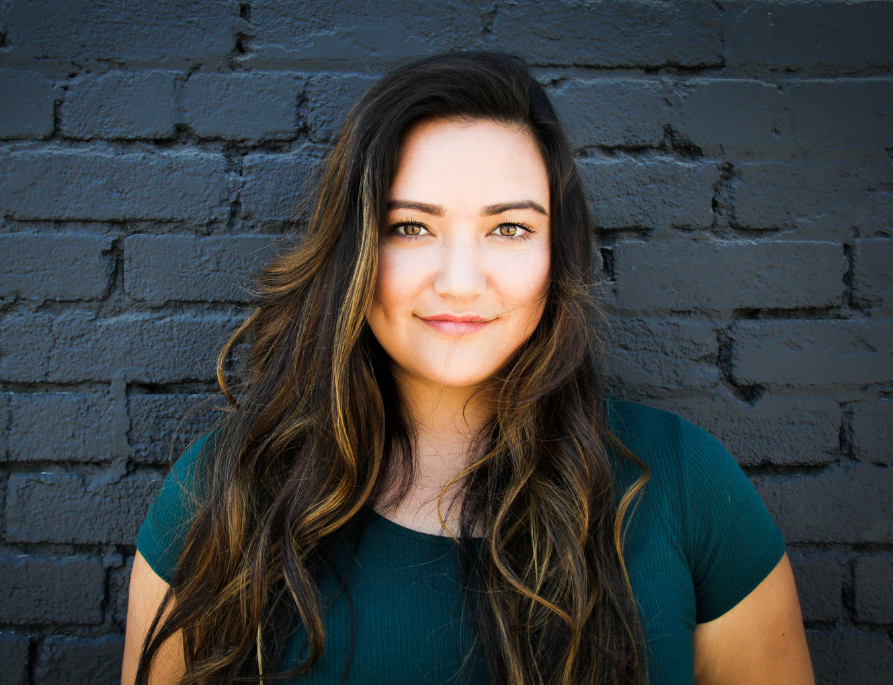
Book a no-pressure session where we’ll talk about your health goals, struggles, and what’s been holding you back. You’ll walk away with clarity—even if you don’t sign up.
Based on your unique history and needs, I’ll create a personalized plan—no generic advice here. You’ll get clear next steps, ongoing support, and a roadmap that fits your life.
With consistent guidance and mindset shifts, you’ll feel more in control of your health, more confident in your choices, and more connected to the person in the mirror.

Personalized 60-minute sessions tailored to your unique health goals, lifestyle, and challenges.

A roadmap designed just for you—no generic advice, just focused guidance based on your needs and medical background.

Worksheets, journaling prompts, and reflection exercises to help you stay mindful and motivated between sessions.
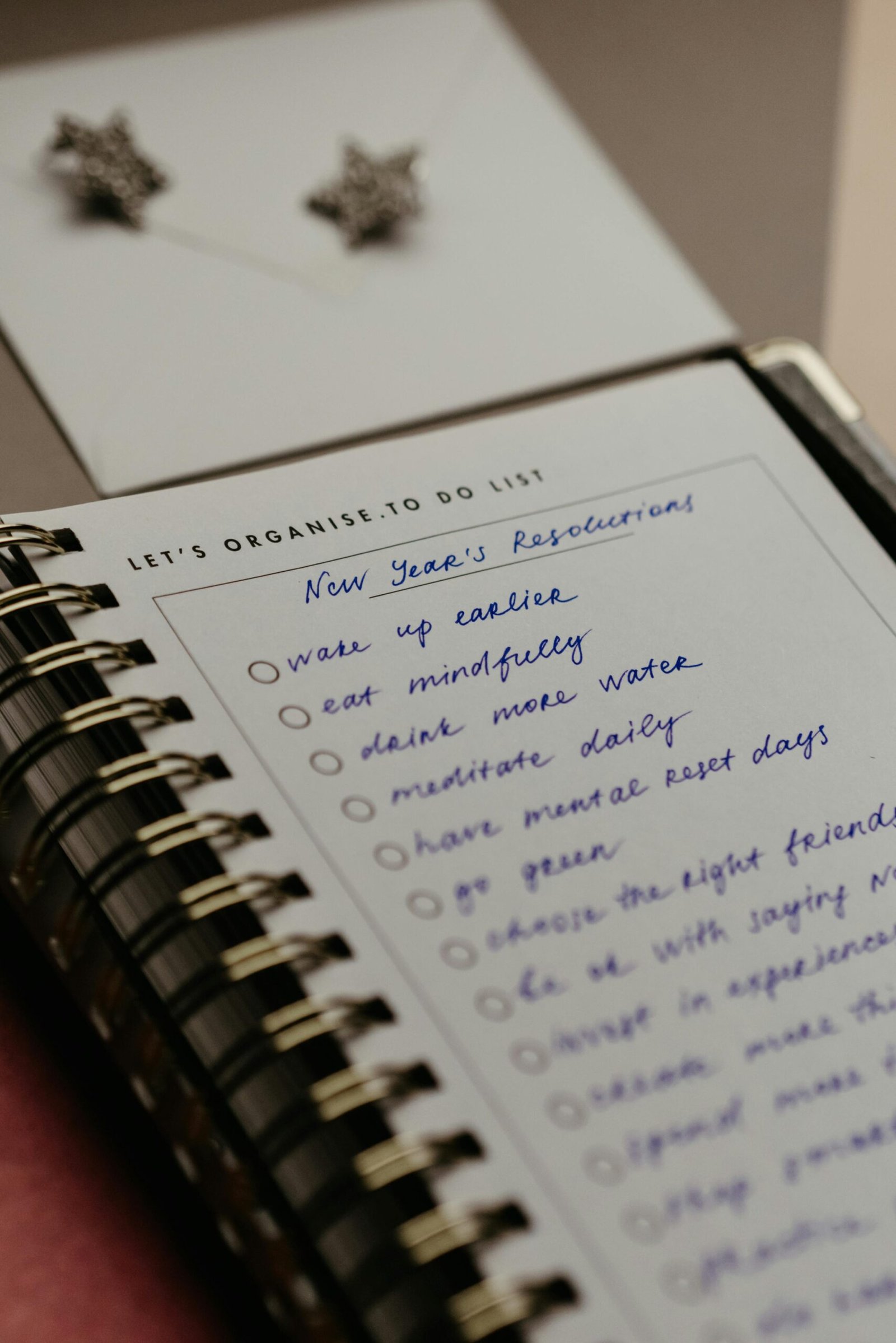
We’ll track what matters most to you—from energy to mindset to symptom relief—so you can see real growth.

Break free from old patterns and build new habits with a focus on lasting behavior change—not quick fixes.

Stay connected with check-ins and direct access to me for questions, encouragement, and clarity when you need it.
You don’t have to figure it out alone. Whether you’re managing a chronic condition or tired of the constant struggle with weight and self-doubt, support is here.