
Lab Tests

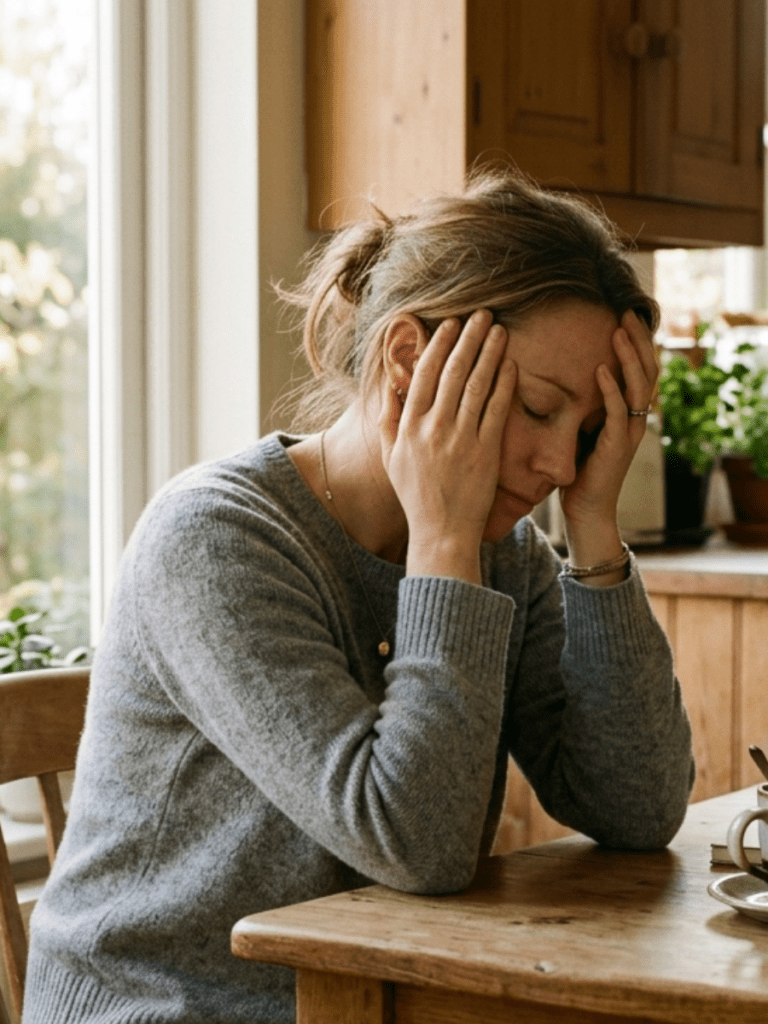
woman experiencing chronic inflammation symptoms feeling puffy and tired

The Inflammation Pattern No One Diagnoses (But Many Women Live In)

The Inflammation Pattern No One Diagnoses (But Many Women Live In) There’s a version of “not feeling well” that’s hard to explain.   You’re not acutely sick.You’re still functioning.But something feels… off.   You feel: • puffy• inflamed• tired• uncomfortable in your body   Your joints might ache.Your energy feels inconsistent.Your body feels heavier than

The Inflammation Pattern No One Diagnoses (But Many Women Live In) Read More »

woman reviewing electrolyte sodium potassium blood test results

Electrolytes Explained: Sodium, Potassium & Stress Adaptation

Electrolytes Explained: Sodium, Potassium & Stress Adaptation THIS POST MAY CONTAIN AFFILIATE LINKS Electrolytes are often associated with hydration.   Drinking more water.Adding electrolytes after a workout.Replacing fluids after illness.   But electrolytes do more than support hydration.   They play a key role in how the body regulates: • fluid balance• nerve signaling• muscle

Electrolytes Explained: Sodium, Potassium & Stress Adaptation Read More »

woman in her late 30s to mid-40s sitting quietly near a window with soft natural light, holding a mug of tea or coffee. She appears tired but calm, reflecting quietly rather than visibly distressed. The setting is a warm, neutral home environment with soft colors and minimal clutter. The scene conveys emotional and physical fatigue without looking dramatic or clinical.

The Burnout Pattern: When Stress Becomes Physiological

The Burnout Pattern: When Stress Becomes Physiological Burnout is often described as emotional exhaustion.   Feeling overwhelmed.Mentally drained.Unable to keep up with everything life requires.   But for many women, burnout doesn’t stay emotional for long.   Eventually it becomes physical.   Sleep stops feeling restorative.Energy disappears.Focus becomes harder.Weight begins to shift.The body feels inflamed

The Burnout Pattern: When Stress Becomes Physiological Read More »