
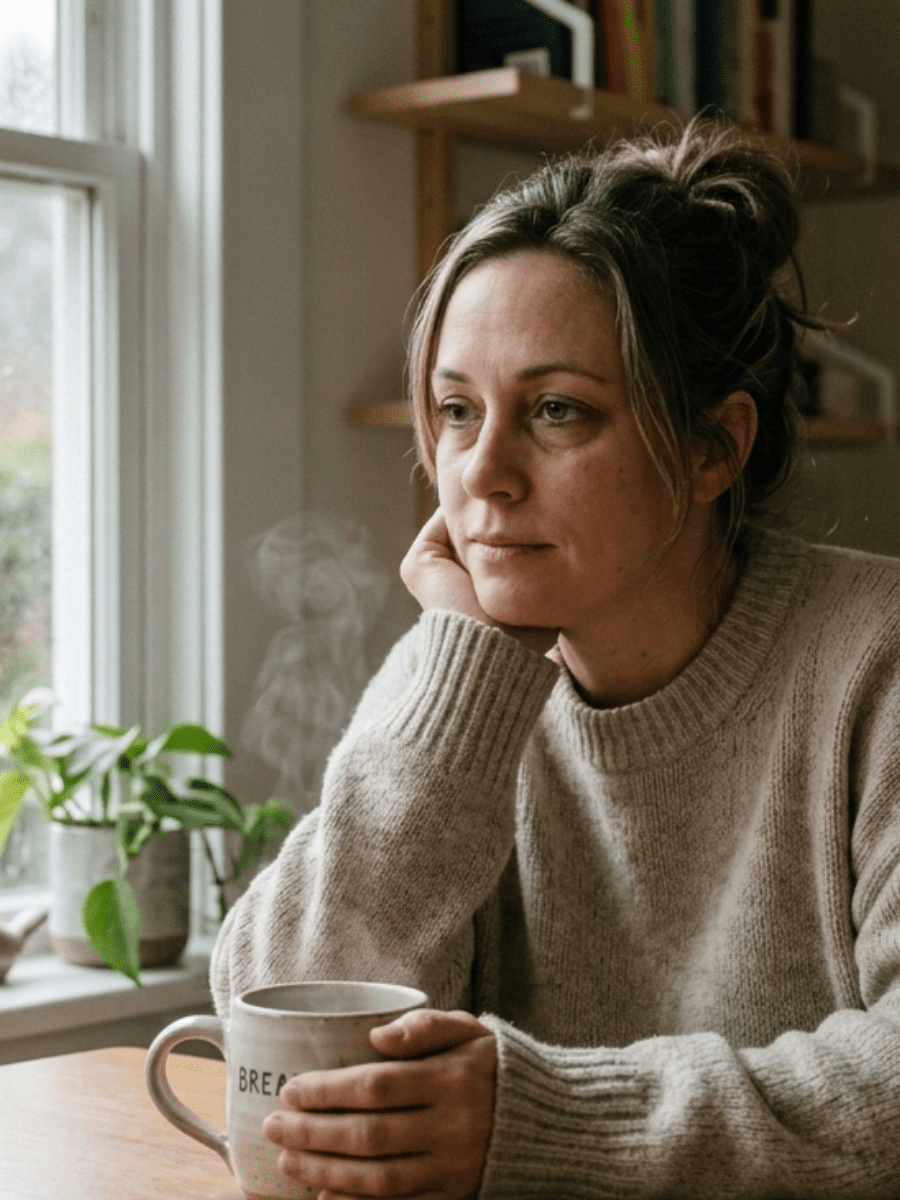
The Burnout Pattern: When Stress Becomes Physiological
The Burnout Pattern: When Stress Becomes Physiological Burnout is often described as emotional exhaustion. Feeling overwhelmed.Mentally drained.Unable to keep up with everything life requires.
THIS POST MAY CONTAIN AFFILIATE LINKS
Insulin resistance sounds intimidating — but at its core, it’s not a failure.
It’s a response.
I can’t tell you how many women I’ve talked to who say, “I barely eat sugar… why does everything still feel off?” They’re exhausted, inflamed, struggling with weight changes, and being told their labs are “fine.”
Meanwhile, insulin resistance is quietly building in the background.
Let’s break down what insulin resistance actually is, why it happens, and what supporting your body (not punishing it) really looks like.
Insulin is a hormone that helps move glucose (sugar) from your bloodstream into your cells so it can be used for energy.
Insulin resistance happens when your cells stop responding efficiently to insulin’s signal.
So your pancreas compensates by making more insulin.
Blood sugar may stay “normal” for a while — but insulin is working overtime behind the scenes.
This is why insulin resistance can exist years before someone is diagnosed with prediabetes or diabetes.
Insulin resistance affects far more than blood sugar.
It’s connected to:
stubborn weight gain (especially around the midsection)
fatigue and brain fog
intense cravings, especially under stress
hormone imbalances
inflammation
PCOS
cardiovascular risk
difficulty losing weight despite “doing everything right”
This isn’t about willpower.
It’s about physiology adapting to repeated stressors.
Here’s where many people get stuck.
Insulin resistance doesn’t always show up clearly on standard labs.
You might see:
“normal” fasting glucose
“normal” A1c
no red flags noted
Meanwhile, insulin itself may be elevated, or patterns between labs don’t line up.
Helpful labs often include:
But no single lab tells the whole story.
Patterns do.
This is the part most women find validating.
Insulin resistance is influenced by:
chronic stress and elevated cortisol
poor or inconsistent sleep
blood sugar swings
inflammation
sedentary lifestyle or overtraining
hormonal shifts (thyroid, estrogen, progesterone)
nutrient deficiencies
long-term dieting or restriction
Your body isn’t ignoring you.
It’s protecting itself.
This is where the internet gets loud — and often wrong.
Supporting insulin sensitivity is not about:
cutting all carbs
punishing workouts
white-knuckling discipline
chasing perfect numbers
It is about:
stabilizing blood sugar
reducing stress load
improving sleep
supporting hormones
building consistency your nervous system can tolerate
Small, steady shifts beat extreme resets every time.
These are strategies I see actually work — because they’re sustainable.
🥗 Balanced meals
Protein, fiber, and healthy fats slow glucose spikes and reduce insulin demand.
🚶♀️ Gentle, consistent movement
Walking after meals improves glucose uptake without spiking cortisol.
😴 Sleep support
Even one short night can increase insulin resistance the next day.
🧘 Nervous system regulation
Chronic fight-or-flight raises insulin needs. Calming the system matters.
☀️ Morning light exposure
Supports circadian rhythm, which directly affects insulin sensitivity.
None of these require perfection.
They require consistency and compassion.
This is where many people stall.
They get the labs.
They get the data.
They get overwhelmed.
But insulin resistance isn’t reversed by knowing a number.
It’s supported by understanding how your body responds to stress, sleep, food, movement, and hormones — and adjusting those inputs in a way your system can actually maintain.
This is why personalized guidance matters.
If insulin resistance resonates with you, it’s not because you’re behind — it’s because your body has been adapting for a long time.
Start by:
looking at patterns, not single labs
noticing how stress and sleep affect cravings and energy
choosing steadier habits instead of harsher rules
If this made you realize your body isn’t broken — it’s responding, I offer free 60-minute clarity calls to help you connect the dots and figure out what actually matters for your body. Link in bio.
American Diabetes Association
National Institute of Diabetes and Digestive and Kidney Diseases
Cleveland Clinic — Insulin Resistance
PubMed — Insulin Sensitivity and Stress
Join me on my journey to a healthier lifestyle


The Burnout Pattern: When Stress Becomes Physiological Burnout is often described as emotional exhaustion. Feeling overwhelmed.Mentally drained.Unable to keep up with everything life requires.
The Hidden Metabolic Pattern Behind Weight Loss Resistance Few things are more frustrating than feeling like you’re doing everything right — and still watching the

The 5 Lab Patterns I See Most Often in Women with Chronic Fatigue Introduction One of the most common things I hear from women is:
If you’re tired of the endless cycle of dieting and conflicting health advice, feeling overwhelmed and longing to truly understand how to nourish your body and feel good in your own skin like I did, you’re in the right place. Through my blog, I share insights on weight loss, mindset, neuroplasticity, nutrition, and self-care to empower you on your wellness journey. Whether you’re seeking personalized guidance to address specific health challenges or you’re ready to break free from restrictive diets and embrace body acceptance while achieving sustainable weight loss, I offer coaching programs designed to help you cultivate lasting health and body confidence. Ready to explore a different path?
One-on-one sessions tailored to your health history, goals, and lifestyle—rooted in nursing expertise and current wellness science.
Guided coaching to help reframe limiting beliefs around food, body image, and health—so you stop sabotaging your progress.
Practical tools, customized strategies, and compassionate support to help you take consistent, manageable steps forward.
“Working with Rebecca completely shifted my mindset.”
I had tried everything—diets, workout programs, you name it—but nothing ever stuck. Rebecca showed me how to reframe my beliefs about food and my body. I’m losing weight without trying to lose weight!
“I finally feel in control of my health for the first time in years.”
Rebecca didn’t just focus on my symptoms—she really listened to my story and helped me understand the root of my challenges. Her guidance was practical and tailored to me, and now I feel empowered to make choices that support my health every day.

“Rebecca’s support made all the difference.”
Having someone who understands both the medical side and the emotional side of health was a game-changer for me. Rebecca provided me with actionable steps, encouragement, and accountability every step of the way. I can’t recommend her coaching enough!

Book a no-pressure session where we’ll talk about your health goals, struggles, and what’s been holding you back. You’ll walk away with clarity—even if you don’t sign up.
Based on your unique history and needs, I’ll create a personalized plan—no generic advice here. You’ll get clear next steps, ongoing support, and a roadmap that fits your life.
With consistent guidance and mindset shifts, you’ll feel more in control of your health, more confident in your choices, and more connected to the person in the mirror.

Personalized 60-minute sessions tailored to your unique health goals, lifestyle, and challenges.

A roadmap designed just for you—no generic advice, just focused guidance based on your needs and medical background.

Worksheets, journaling prompts, and reflection exercises to help you stay mindful and motivated between sessions.
We’ll track what matters most to you—from energy to mindset to symptom relief—so you can see real growth.

Break free from old patterns and build new habits with a focus on lasting behavior change—not quick fixes.

Stay connected with check-ins and direct access to me for questions, encouragement, and clarity when you need it.
You don’t have to figure it out alone. Whether you’re managing a chronic condition or tired of the constant struggle with weight and self-doubt, support is here.