Uric Acid: The Metabolic Marker You’ve Probably Ignored
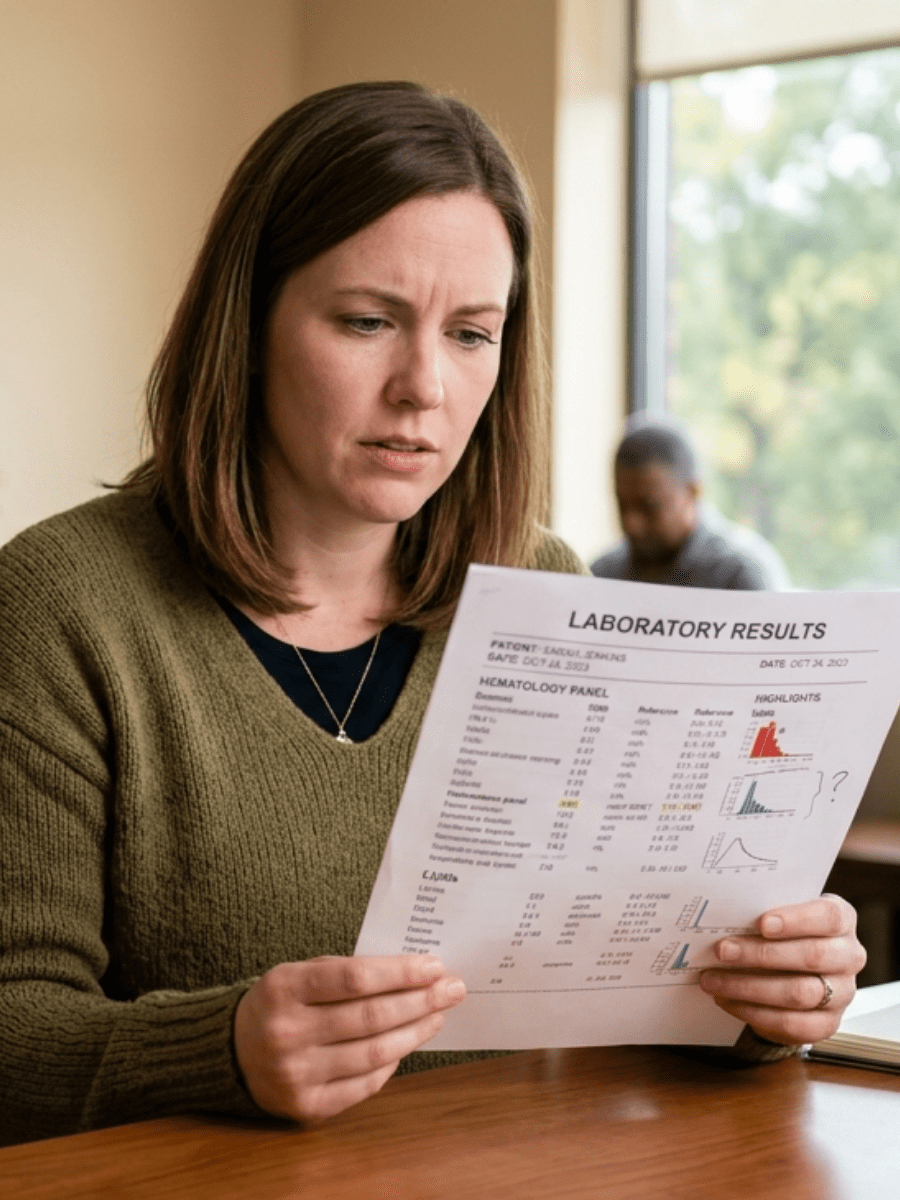
Uric Acid: The Metabolic Marker You’ve Probably Ignored THIS POST MAY CONTAIN AFFILIATE LINKS You’re looking through your labs. Glucose makes sense.Cholesterol feels familiar. And

One of the most common things I hear from women is:
“My labs are normal… but I still feel exhausted.”
They’re sleeping more but waking up tired.
Pushing through the day with caffeine and determination.
Doing everything they’ve been told should help — eating better, exercising, managing stress — yet their energy never fully returns.
And often, they begin to wonder if the problem is motivation, aging, or simply needing to “try harder.”
But after reviewing labs with hundreds of women as a nurse, I’ve noticed something important:
Fatigue rarely shows up as one abnormal lab.
Instead, it appears as patterns — subtle shifts across multiple systems that reveal how the body is adapting to prolonged stress, metabolic demand, or resource depletion.
Your labs often do tell a story. You just have to know how to read the pattern.
The human body prioritizes survival over optimal energy.
When stress — physical, emotional, metabolic, or inflammatory — persists long enough, the body begins compensating:
slowing certain processes
conserving resources
redistributing energy
maintaining stability at the expense of vitality
Lab values may remain within reference ranges while these adaptations quietly occur.
That’s why many women feel unwell long before a diagnosis ever appears.
Over time, I’ve seen five patterns show up again and again.
This is often the foundation beneath chronic fatigue.
The body has been in a prolonged state of demand — juggling responsibilities, stress, poor recovery, or long-term pressure — and begins adapting to conserve energy.
Labs may show:
cortisol patterns that appear “normal” but flattened or dysregulated
subtle electrolyte shifts
changes in glucose regulation
sleep disruption despite exhaustion
Women in this pattern often describe feeling:
wired at night but exhausted during the day
unable to fully relax
mentally alert but physically drained
The nervous system is working overtime even when rest is attempted.
Many women associate blood sugar issues with diabetes, but metabolic changes begin much earlier.
Before glucose or A1c becomes abnormal, insulin levels may already be elevated.
Possible lab clues include:
higher fasting insulin
triglyceride changes
energy crashes after meals
persistent cravings
difficulty losing weight despite effort
When insulin remains elevated, the body stays in storage mode, limiting energy availability at the cellular level.
Fatigue becomes metabolic — not motivational.
The thyroid responds to the body’s environment.
During prolonged stress or energy scarcity, thyroid signaling may slow as a protective mechanism.
Labs may show:
TSH within range
lower Free T3
symptoms despite “normal thyroid labs”
Common experiences include:
cold sensitivity
brain fog
slow recovery
stubborn fatigue
The body isn’t failing — it’s conserving.
Inflammation doesn’t always look dramatic.
Low-grade inflammation can quietly increase energy demand throughout the body.
Possible markers include:
mildly elevated CRP
ferritin changes
white blood cell trends
metabolic markers shifting subtly
Women often describe:
feeling “puffy” or inflamed
joint discomfort
unrefreshing sleep
persistent low energy
The immune system is active, even without obvious illness.
Chronic stress increases nutrient demand faster than intake alone can replace.
Even with a healthy diet, utilization may be impaired.
Labs sometimes reveal:
Symptoms may include:
exhaustion that sleep doesn’t fix
hair or skin changes
reduced resilience
slower recovery from stress
This isn’t simply deficiency — it’s increased demand.
Traditional lab interpretation looks for disease thresholds.
But fatigue often develops in the space before disease — when the body is compensating successfully but inefficiently.
Each lab alone may appear normal.
Together, they form a pattern.
And patterns explain symptoms far better than isolated numbers.
Across all five patterns, one theme appears:
The body is adapting.
Fatigue is often a signal of resource management — not personal failure.
Your body may be:
protecting itself
conserving energy
responding to prolonged demand
prioritizing survival over performance
Understanding this changes the conversation from:
“What’s wrong with me?”
to
“What is my body responding to?”
If you recognized yourself in one or more of these patterns, you’re not alone — and you’re not imagining your symptoms.
Chronic fatigue rarely comes from a single lab value. More often, it reflects how multiple systems are interacting at once:
stress physiology
blood sugar regulation
thyroid signaling
inflammation load
nutrient demand
The next step usually isn’t ordering more tests — it’s learning how to interpret patterns across the labs you already have.
If this made you realize your body isn’t broken — it’s responding — I offer free 60-minute clarity calls where we look at your symptoms, health history, and lab patterns together to help you understand what may actually be driving how you feel.
👉 Schedule your free clarity call here:
https://calendly.com/rebecca-thenurserebecca/60min
Sometimes clarity is the first step toward real progress.
If this article resonated, these resources will help you continue connecting the dots:
Labs Tell a Story — But Only If You Know How to Read the Pattern
The Wired-Tired Pattern: When Cortisol, Blood Sugar, and Burnout Overlap
Low Energy Isn’t Just Iron: The Fatigue Pattern Most Labs Miss
How to Read a Complete Blood Count (CBC): What Your Blood Work Is Actually Showing
Fatigue is rarely a lack of effort.
More often, it’s the result of systems working overtime to maintain balance.
Your labs may already hold important clues — not because something is broken, but because your body has been adapting for longer than anyone realized.
And when those patterns are understood together, energy often begins with understanding.

Join me on my journey to a healthier lifestyle


Uric Acid: The Metabolic Marker You’ve Probably Ignored THIS POST MAY CONTAIN AFFILIATE LINKS You’re looking through your labs. Glucose makes sense.Cholesterol feels familiar. And

Hydration, Stress, and Kidney Markers: What Your Body Is Actually Responding To THIS POST MAY CONTAIN AFFILIATE LINKS You’re drinking water. Trying to stay

Kidney Labs Explained: BUN, Creatinine & eGFR THIS POST MAY CONTAIN AFFILIATE LINKS You get your labs back. You scroll past glucose…past cholesterol…past liver
If you’re tired of the endless cycle of dieting and conflicting health advice, feeling overwhelmed and longing to truly understand how to nourish your body and feel good in your own skin like I did, you’re in the right place. Through my blog, I share insights on weight loss, mindset, neuroplasticity, nutrition, and self-care to empower you on your wellness journey. Whether you’re seeking personalized guidance to address specific health challenges or you’re ready to break free from restrictive diets and embrace body acceptance while achieving sustainable weight loss, I offer coaching programs designed to help you cultivate lasting health and body confidence. Ready to explore a different path?
One-on-one sessions tailored to your health history, goals, and lifestyle—rooted in nursing expertise and current wellness science.
Guided coaching to help reframe limiting beliefs around food, body image, and health—so you stop sabotaging your progress.
Practical tools, customized strategies, and compassionate support to help you take consistent, manageable steps forward.
“Working with Rebecca completely shifted my mindset.”
I had tried everything—diets, workout programs, you name it—but nothing ever stuck. Rebecca showed me how to reframe my beliefs about food and my body. I’m losing weight without trying to lose weight!

“I finally feel in control of my health for the first time in years.”
Rebecca didn’t just focus on my symptoms—she really listened to my story and helped me understand the root of my challenges. Her guidance was practical and tailored to me, and now I feel empowered to make choices that support my health every day.

“Rebecca’s support made all the difference.”
Having someone who understands both the medical side and the emotional side of health was a game-changer for me. Rebecca provided me with actionable steps, encouragement, and accountability every step of the way. I can’t recommend her coaching enough!

Book a no-pressure session where we’ll talk about your health goals, struggles, and what’s been holding you back. You’ll walk away with clarity—even if you don’t sign up.
Based on your unique history and needs, I’ll create a personalized plan—no generic advice here. You’ll get clear next steps, ongoing support, and a roadmap that fits your life.
With consistent guidance and mindset shifts, you’ll feel more in control of your health, more confident in your choices, and more connected to the person in the mirror.

Personalized 60-minute sessions tailored to your unique health goals, lifestyle, and challenges.

A roadmap designed just for you—no generic advice, just focused guidance based on your needs and medical background.

Worksheets, journaling prompts, and reflection exercises to help you stay mindful and motivated between sessions.

We’ll track what matters most to you—from energy to mindset to symptom relief—so you can see real growth.

Break free from old patterns and build new habits with a focus on lasting behavior change—not quick fixes.

Stay connected with check-ins and direct access to me for questions, encouragement, and clarity when you need it.
You don’t have to figure it out alone. Whether you’re managing a chronic condition or tired of the constant struggle with weight and self-doubt, support is here.